Exploring The Observatory
Find out more about our events, our spectacular interactive science exhibits and the history of this once world leading astronomical Observatory.
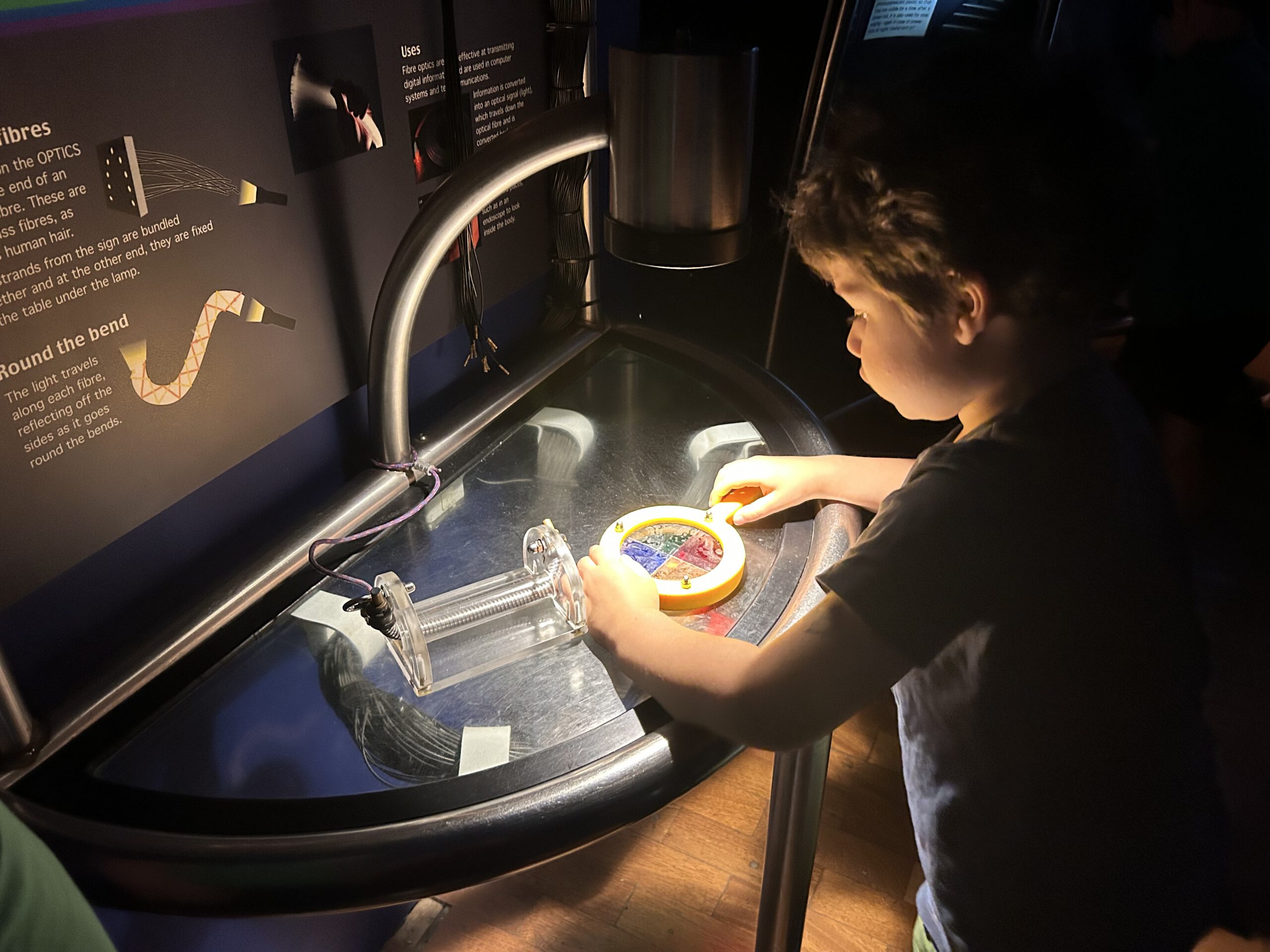
Get hands-on with science!
Find out more about some of the incredible interactive science exhibits you’ll discover in our galleries.

Our Awesome Orrery
When you visit our ‘Domes of Discovery’ gallery, don’t forget to look up! Mounted next to the massive Congo Schmidt
READ MORE

Solid, liquid, gas…plasma!
Explore our popular Plasma Globe exhibit in the ‘Light and Colour’ gallery. What is plasma? Plasma is the fourth state
READ MORE

Shake it off!
Discover our popular Earthquake exhibit in the ‘Earth & Beyond’ gallery. Design, Build, Test, Learn! Have you ever felt an
READ MORE
Our Amazing History
The Observatory Science Centre is located in Herstmonceux, East Sussex and was formerly the home to the Royal Greenwich Observatory from 1958 to 1990.
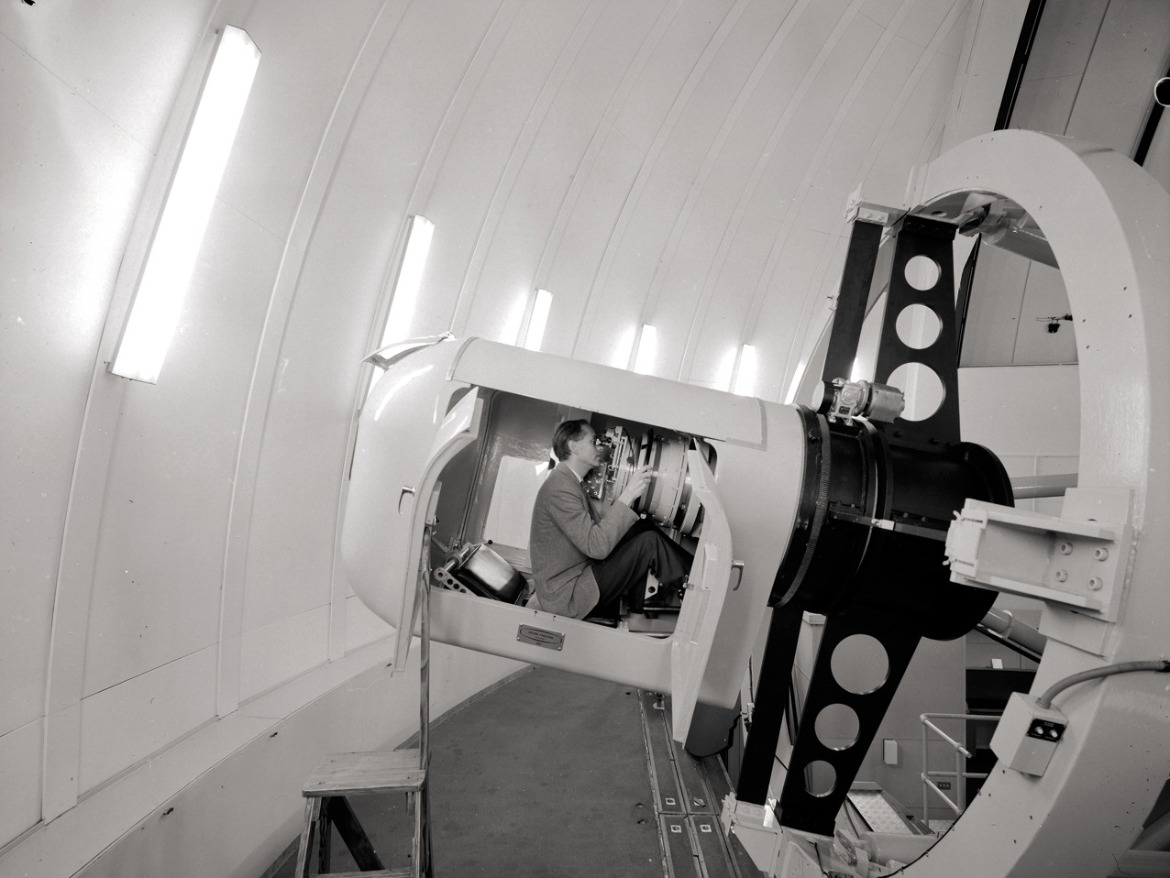
The Isaac Newton Telescope
Read about the Isaac Newton Telescope, previously based at Herstmonceux. Sir Isaac Newton was born on 4 January 1643 at
READ MORE
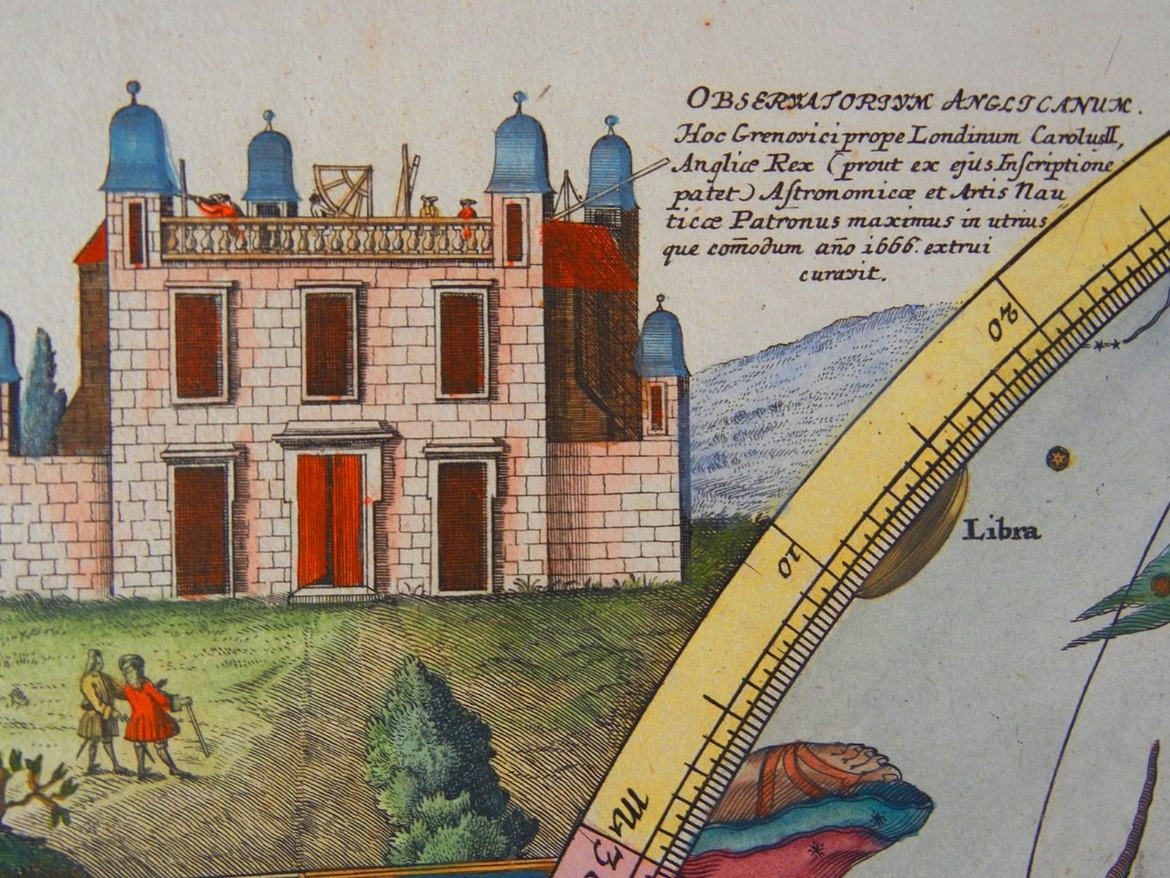
History of The Royal Observatory
From Greenwich to Herstmonceux The Royal Observatory was founded by King Charles II on 4th March 1675 when John Flamsteed
READ MORE
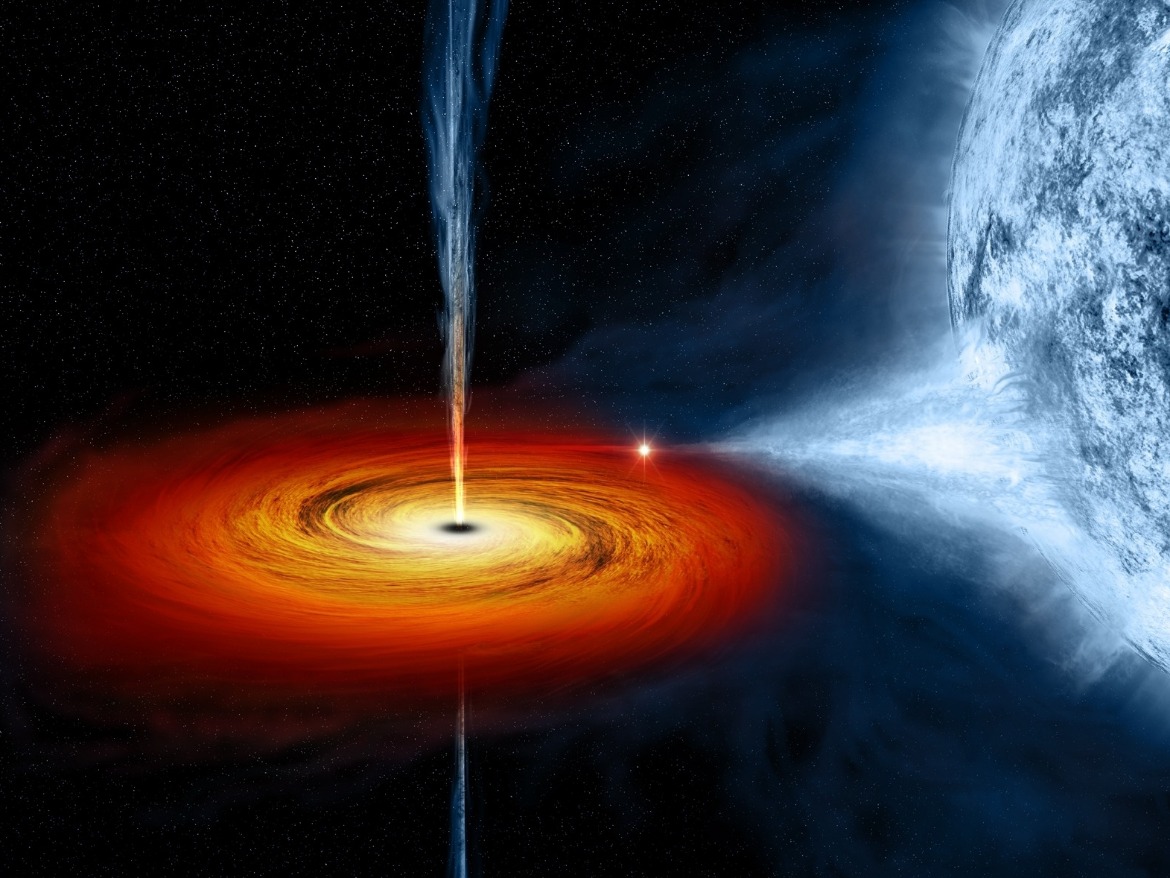
Proving Einstein’s Theory of Relativity
Historic glassware exhibited at the Observatory includes telescope mirrors and a lens used in one of the 20th century’s pivotal
READ MORE
Upcoming Events
Join us for a wonder-filled evening viewing the night sky.
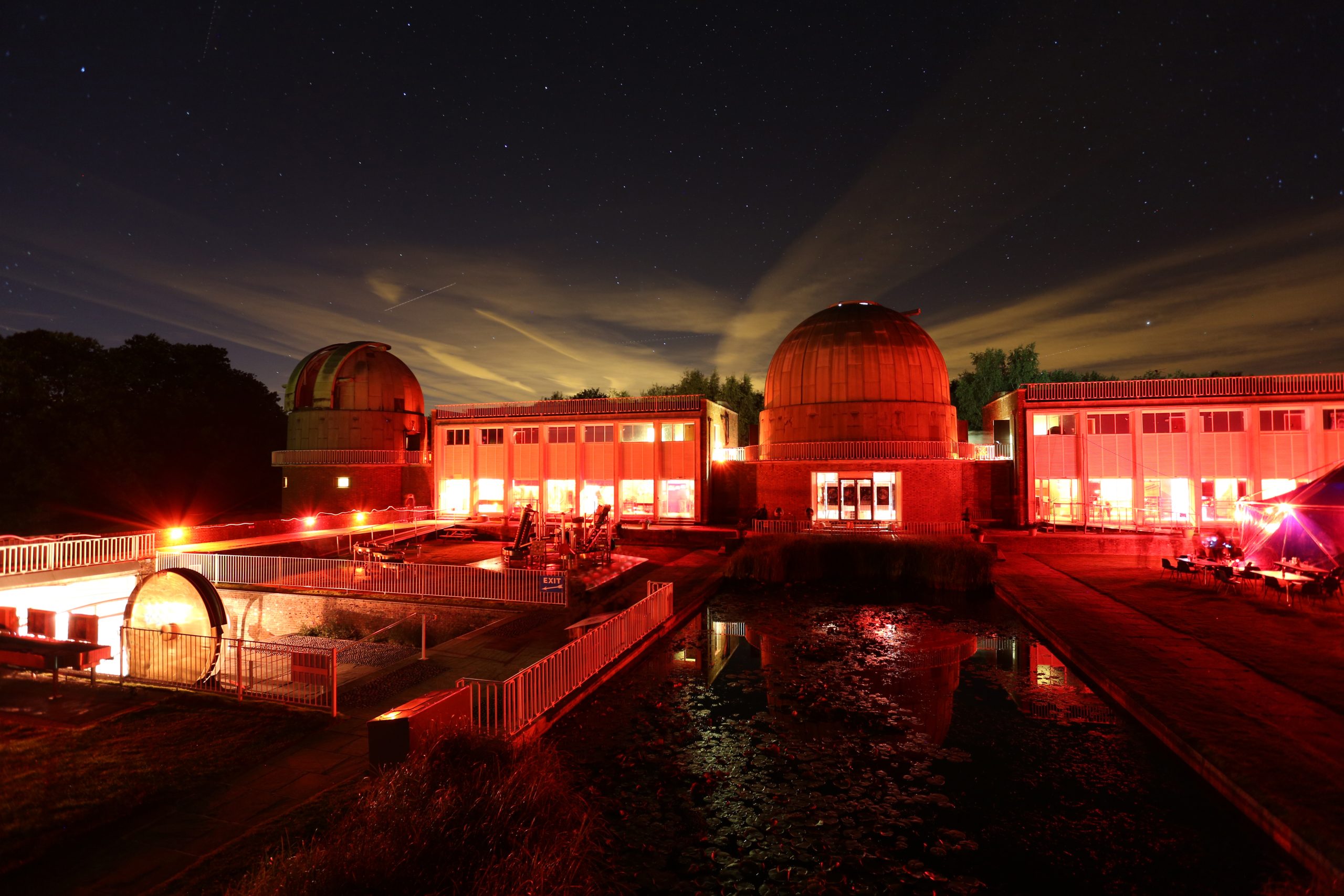
Beer & The Big Bang – 28th February
On Saturday 28th February, enjoy an evening looking up at the night’s sky with a bottle of English craft beer
READ MORE
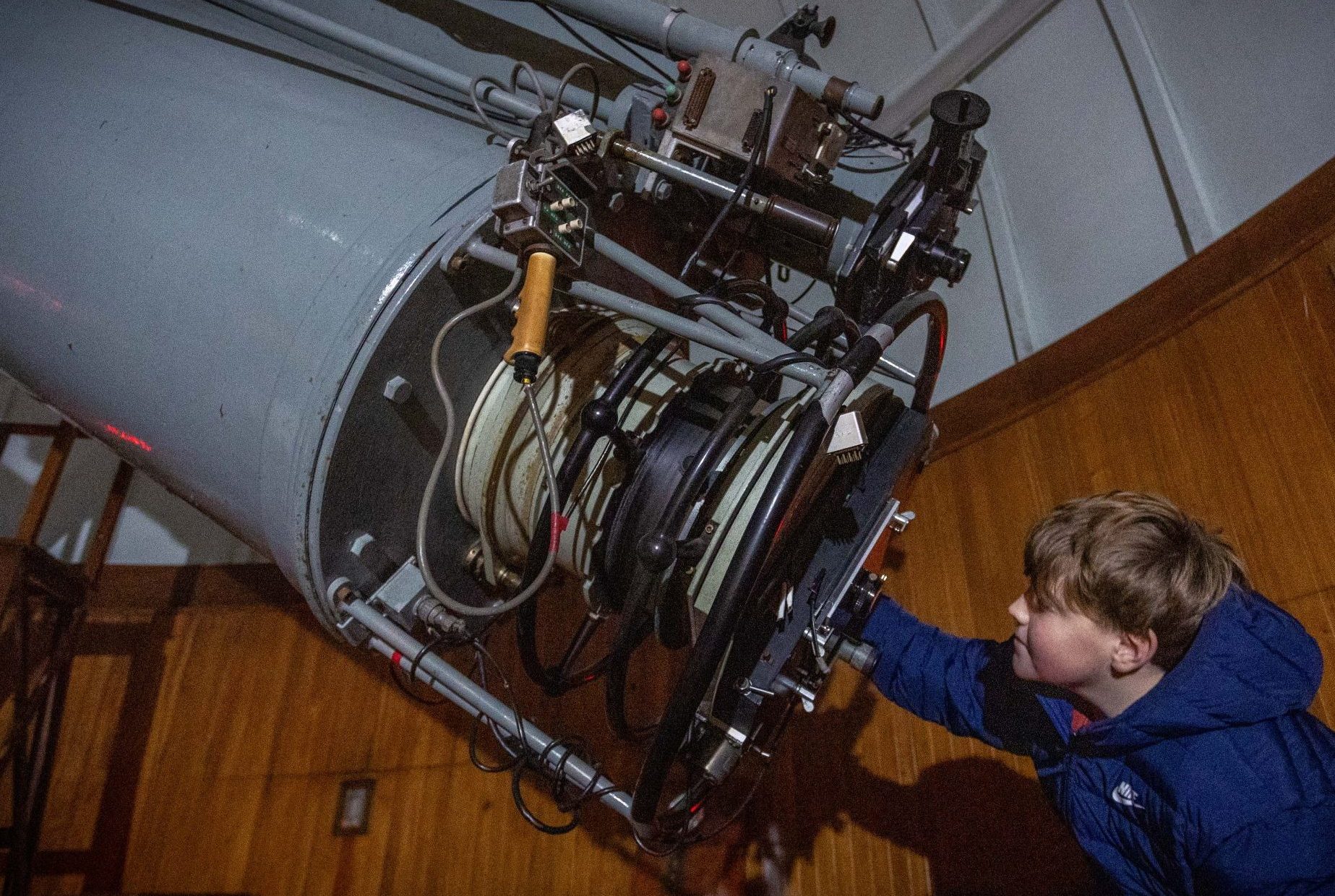
Big Telescopes for Small Astronomers
Explore the night sky with stargazing events for kids and families in East Sussex at the Observatory Science Centre & Museum
READ MORE
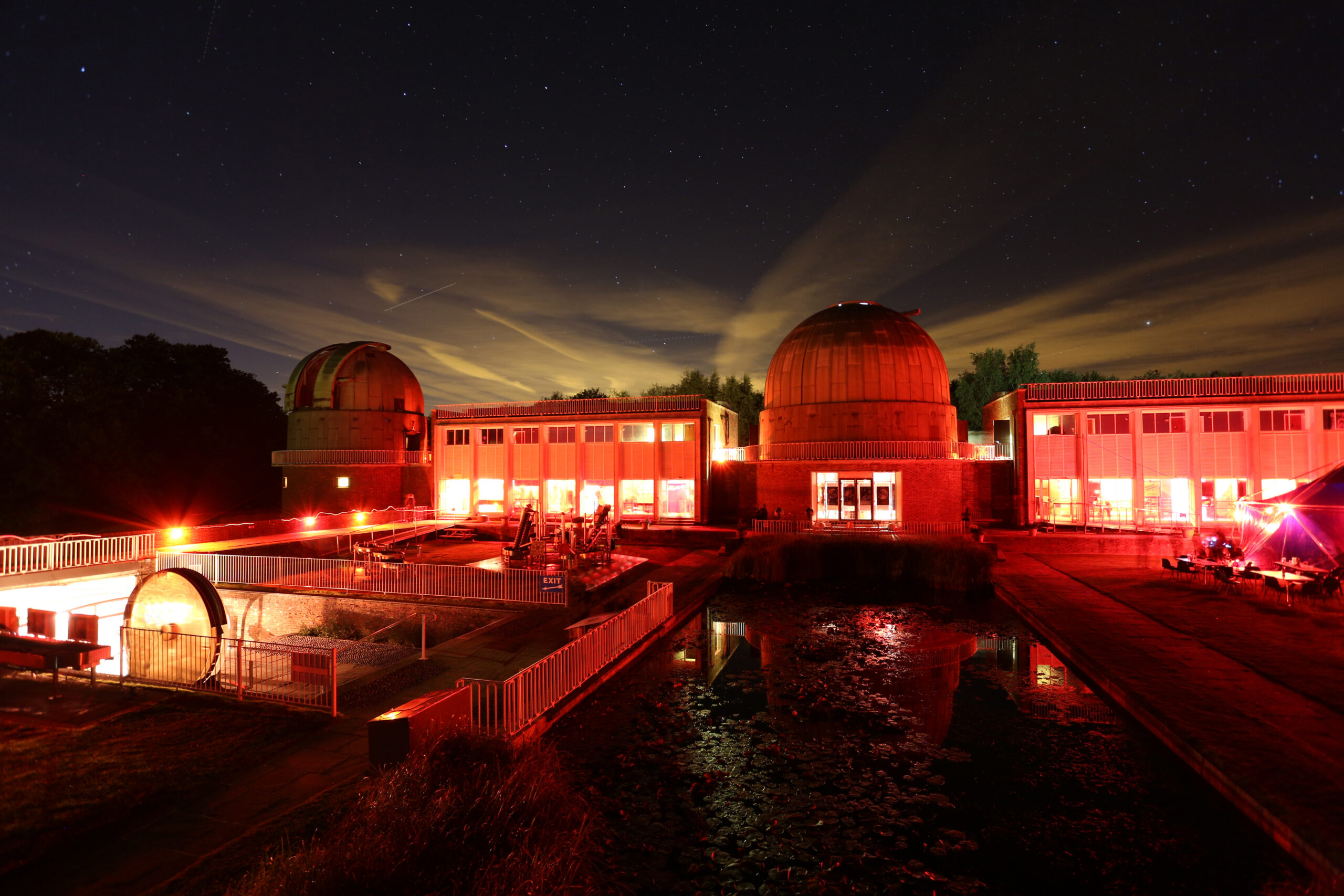
Stargazing Evenings
See the stars through our historic telescopes Stargazing Evenings at the Observatory are the best way to experience the natural
READ MORE
FAQ
How do you pronounce Herstmonceux?
As with most place names there is a ‘correct’ pronunciation amongst local people and Herstmonceux is no exception.
Herst is the Saxon name for a wooded hill, and the manor is mentioned in the Domesday Book as being part of the land belonging to the Count of Eu.
In 1131 the Count’s grandson transferred the manor to Drogo de Monceux, (great grandson of William the Conqueror) who married Idonea de Monceux. Their son was known as Walleran de Herst Monceux.
To answer the question ‘How do you pronounce Herstmonceux?’
- Herst as in ‘first’
- Mon as in ‘monsoon’
- Ceux as in ‘zoo’
I’ve had a star named after me! Can I see it through a telescope?
This is always a difficult question.
It very much depends on where the star is and how bright it is. Many of the stars are far too faint and distant making it extremely difficult to pinpoint.
To avoid disappointment therefore we do not usually offer to locate such stars with our telescopes.
Do you offer a “star naming” service?
No we do not.
Some commercial enterprises do say that they offer such a service and will charge a fee for it. However such “names” have no formal or official validity whatsoever.
This is an excerpt from the International Astronomical Unions (IAU) website: As an international scientific organization, the IAU dissociates itself entirely from the commercial practice of “selling” fictitious star names or “real estate” on other planets or moons in the Solar System. Accordingly, the IAU maintains no list of the (several competing) enterprises in this business in individual countries of the world. For further information please visit the IAU website
Has the Hubble telescope made earthbound telescopes redundant?
Not at all.
Space telescopes fulfil a very important role but they cannot be made as large as ground based telescopes due to weight and the cost of getting them into space.
The wider the diameter of a telescope the better light gathering ability it has and the more detail it can resolve.
At the moment the largest ground based telescope is the Gran Telescopio Canarias (GranTeCan or GTC). It is a 10.4 m (410 in) reflecting telescope located at the Roque de los Muchachos Observatory on the island of La Palma, in the Canaries, Spain. It is the world’s largest single-aperture optical telescope.
Although atmospheric disturbance is not a problem encountered by space telescopes, many ground based telescopes do have a problem and atmospheric disturbance can distort the image. However, adaptive optics used with large ground based telescopes can compensate for distortion caused by the atmosphere.
Who uses the telescopes at Herstmonceux now?
While the telescopes are not being used scientifically for research purposes they are open to the public on our open evenings which are usually held during the Autumn, Winter and Spring with one or two exceptions in the summer.
They are also open on our special themed evening events which take place throughout the year.
You can also hire the centre for private evening group visits when you may get the opportunity to use the telescopes (weather permitting).
Twilight educational visits or scouting and guiding group visits can also be arranged.