



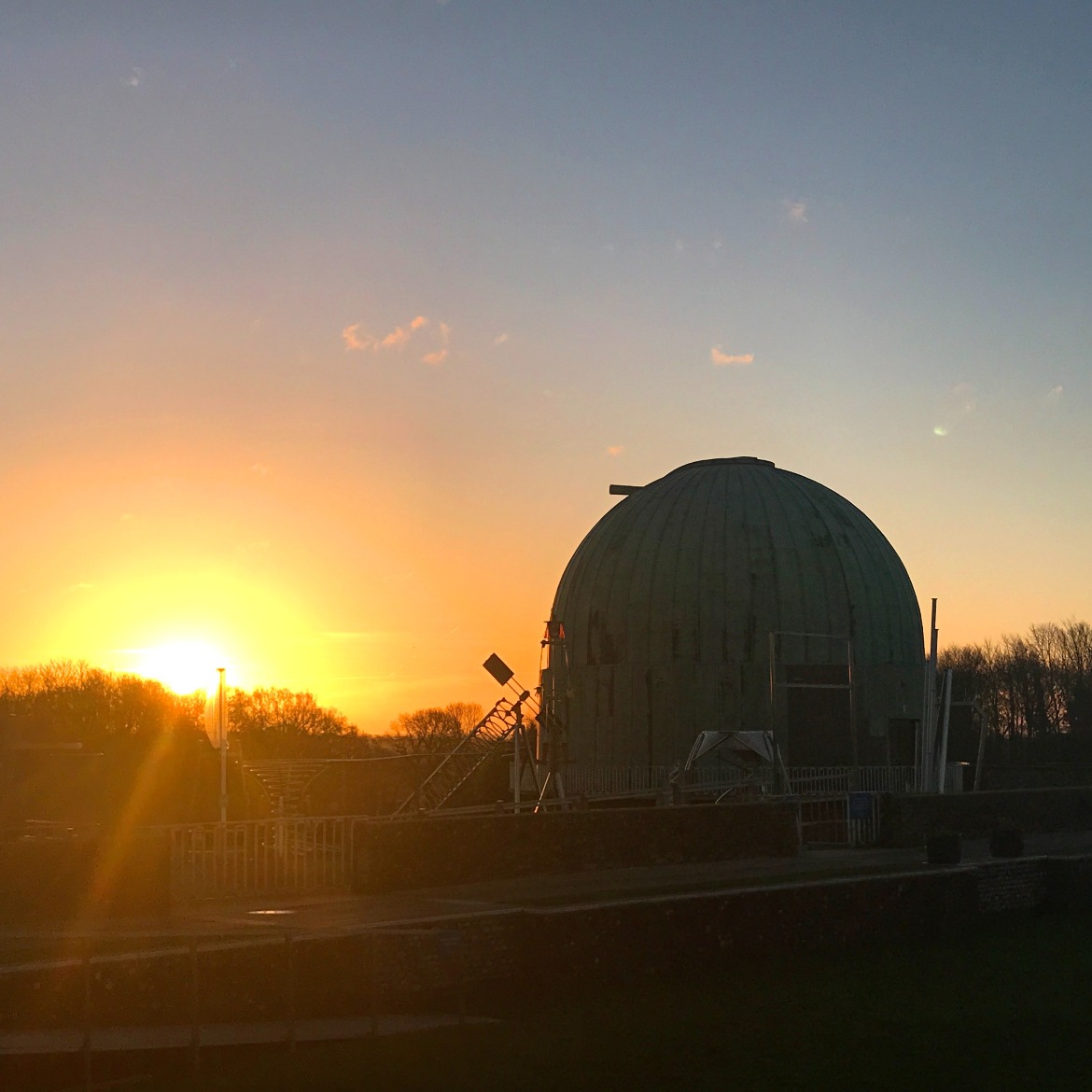



Lyrids Shooting Stars
April 20 2024. The debris left behind by the comet Thatcher gives rise to the April Lyrids meteor shower. Join us for an informative talk and some meteor (shooting stars) spotting. If the weather is good you will also have an opportunity to look through the historic telescopes, some of the largest working telescopes in the country.
Next Date: 20th April 2024
Family Evenings
5.30pm-9.30pm: Join us for a fabulous family afternoon/early evening event. Enjoy all the exhibits indoors and outside and immerse yourself in an 'out of this world' experience in a fantastic planetarium show.
Next Date: 29th June 2024
Quiz Night & Stargazing
Saturday 6 July: Adults Exclusive Summer Special; Quiz Night & Stargazing Evening. After a social fun packed evening of quizzing, group tours will take you around the domes to view through our historic telescopes (weather permitting) and meet our knowledgeable Astronomers.
Next Date: 6th July 2024
Stargazing Evenings
Come and enjoy the fabulous atmosphere that surrounds the Observatory at night and, weather permitting look through some of the largest telescopes in the country at some extraordinary night sky objects. Don't worry if it is cloudy we have a cloudy night contingency.
Next Date: 9th August 2024
Perseids Shooting Stars
10 August 2024. As Earth passes through the debris trail left behind by comet Swift-Tuttle, particles of space dust enter the atmosphere leaving a trail of light behind; a shooting star. Join us for an informative talk to learn more about this fascinating yearly event. If the weather is good you will also have the opportunity to view through the historic telescopes.
Next Date: 10th August 2024
Astronomy Festival
August 30 & 31 and September 1 2024: Whether just for a day or for the whole weekend come and join us and soak up the fantastic atmosphere of our fabulous Science Centre and Observatory. Lots of fun for families and keen astronomers alike!
Next Date: 30th August 2024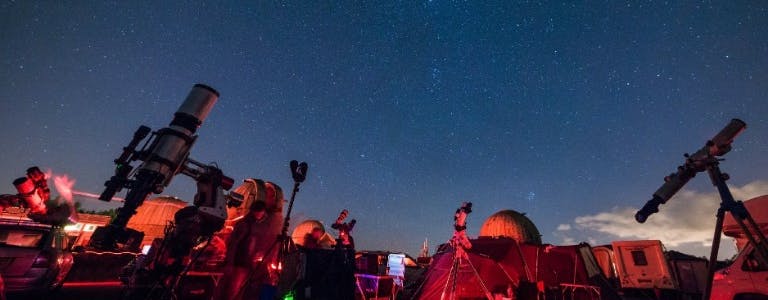
Night Sky Photography
This course will be teaching practical aspects of night sky photography through lectures and demonstrations. You do not need to bring cameras, tripods or telescopes just listen and learn and take away all the essential information you will need to start you on your fascinating journey into night sky photography. Image courtesy of John Fox. Spring and Autumn dates are available.
Next Date: 22nd September 2024
Star Search Course
A fantastic opportunity to learn how to navigate your way around the night sky using the constellations as your guide. Taught in one of our domes under the backdrop of a historic telescope and outside under the stars, you will learn how to recognise star patterns and find out more about the mythologies behind them. Spring and Autumn dates are available.
Next Date: 14th October 2024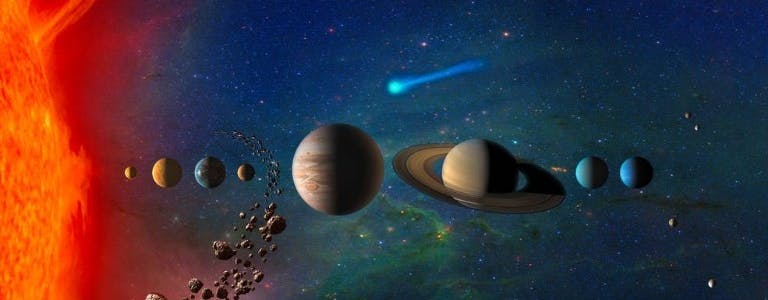
Back to Basics Astronomy: a practical approach
This 4 week course is a basic introduction to astronomy. It is aimed at beginners in astronomy and approaches the subject in a practical way; helping you visualise the wonders of our solar system and beyond.
Next Date: 7th November 2024
Telescope Clinic for Adults
This course is a mix of classroom based teaching in one of the domes and practical hands-on teaching outdoors so you can learn how to use your telescope. Members of local Astronomy Societies will guide you through setting up your telescope and getting the best out of it. Weather permitting they will also start you on your way to viewing the night sky. Spring and Autumn dates available.
Next Date: 10th November 2024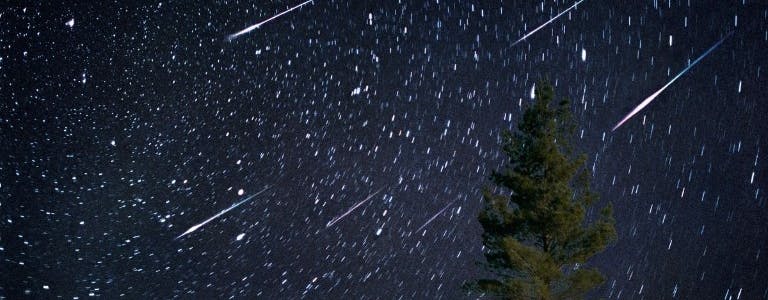
Leonids Shooting Stars
16 November 2024. The debris left behind by the comet Tempel-Tuttle gives rise to the Leonids meteor shower and the debris trail left behind by comet Encke gives rise to the Taurid meteor shower. Join us for an informative talk before heading out to try and spot some meteors (shooting stars). If the weather is good you will also have an opportunity to look through an historic telescope; we have some of the largest working telescopes in the country.
Next Date: 16th November 2024